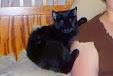
All the feels from last month are a distant memory. I had every intention of reading more than two books in April, but ... I don’t even have an excuse. Lame.
Why I Hate Green Beans by Lincee Ray (nonfiction) - I don’t recall how I stumbled on this. It is a delightful mix of throwback pop culture references and cringe-worthy life experiences. You’ll want to invite Lincee over for margaritas and discuss if it is possible to watch too much television.
The Alice Network by Kate Quinn - This was already in my queue when I suggested it for book club. It’s two years post WWII and Charley is a spirited girl looking for her French cousin. She gets mixed up with Eve, who has major PTSD and an ax to grind from her days as a spy in WWI’s Alice network. The book alternates between the two women and the intersection of their stories is fantastic. Everyone in book club agreed that they wanted more when the story came to an end.
Next up:
It Ends with Us by Colleen Hoover
City of Thieves by David Benioff
The Map of Heaven by Eben Alexander
All Clear by Connie Willis
May 3, 2018

April 3, 2018
Monthly Book Review: March 2018
I feel like I'm back on track reading four books this month (though my son says I'm not reading if I'm listening ... oh to be young and to have all the answers to life).
The Good Daughter by Karin Slaughter - two sisters, two different perspectives on tragic events. This is a bit dark with fiesty women so right up my alley. It was a bit long - every single thought in every monent of each character is chronicled. B
Everything Happens for a Reason by Kate Bowler (nonfiction) - my pastor referenced this in a couple of sermons so I needed to check it out. Kate is a Duke divinity professor diagnosed with stage 4 cancer. The book details how that rocked her world and how those around her reacted to it. The title is one of the "lies" she loves. A
I've Been Thinking ... by Maria Shriver (nonfiction)- I was gifted this and it was the perfect flight read. Short, sweet, genuine, introspective and full of hope. I read several excerpts aloud to my daughter. She has so much faith, but eager to say she doesn't have all the answers and that she's changed her mind on quite a few things along the road of life. I want to have lunch, coffee and dinner with Maria (maybe a sleepover too). A
Broken Angels by Gemma Liviero - back to my home base of WWII fiction. The lives of a Jewish girl from Poland, a half Jewish young woman from Romania and a Nazi doctor collide. Is the harm to one worth saving many? I found myself wishing hateful, evil events weren't rooted in truth and hoping others had really taken place. This book has a more hopeful slant to it than many others in this genre. A-
In my queue:
The Alice Network by Kate Quinn
It Ends with Us by Colleen Hoover
City of Thieves by David Benioff
Why I Hate Green Beans by Lincee Ray
The Map of Heaven by Eben Alexander
All Clear by Connie Willis
The Good Daughter by Karin Slaughter - two sisters, two different perspectives on tragic events. This is a bit dark with fiesty women so right up my alley. It was a bit long - every single thought in every monent of each character is chronicled. B
Everything Happens for a Reason by Kate Bowler (nonfiction) - my pastor referenced this in a couple of sermons so I needed to check it out. Kate is a Duke divinity professor diagnosed with stage 4 cancer. The book details how that rocked her world and how those around her reacted to it. The title is one of the "lies" she loves. A
I've Been Thinking ... by Maria Shriver (nonfiction)- I was gifted this and it was the perfect flight read. Short, sweet, genuine, introspective and full of hope. I read several excerpts aloud to my daughter. She has so much faith, but eager to say she doesn't have all the answers and that she's changed her mind on quite a few things along the road of life. I want to have lunch, coffee and dinner with Maria (maybe a sleepover too). A
Broken Angels by Gemma Liviero - back to my home base of WWII fiction. The lives of a Jewish girl from Poland, a half Jewish young woman from Romania and a Nazi doctor collide. Is the harm to one worth saving many? I found myself wishing hateful, evil events weren't rooted in truth and hoping others had really taken place. This book has a more hopeful slant to it than many others in this genre. A-
In my queue:
It Ends with Us by Colleen Hoover
City of Thieves by David Benioff
Why I Hate Green Beans by Lincee Ray
The Map of Heaven by Eben Alexander
All Clear by Connie Willis
March 8, 2018
I Will Ski
Chunky and I learned to ski this winter (technically I re-learned, but I didn't have much to start with).
Afton Alps offers a three-week school including your very own skis. Unfortunately I tore by right-hand UCL the week after we finished the course so my career went the way of Lindsey Vonn for the season (darn those little speed demon child snowboarders). The important thing is we did something new and fun and did it together!


Afton Alps offers a three-week school including your very own skis. Unfortunately I tore by right-hand UCL the week after we finished the course so my career went the way of Lindsey Vonn for the season (darn those little speed demon child snowboarders). The important thing is we did something new and fun and did it together!


March 7, 2018
Monthly Book Review: February 2018
Never Let Me Go by Kazuo Ishiguro - Oxford defines soul as "a person's moral or emotional nature or sense of identity". What determines each of our souls? This is the kind of book that you can't say too much about or you'll give it all away. I felt like I should like this book more than I did so I rented the movie (I didn't even know it had been made into a movie until I started looking for more info after I finished the book). It's rare that you can say the movie was a good compliment to the book. 3/5
Small Great Things by Jodi Picoult - Timely topic + good character development + moral dilemmas = great book. Ignorance is a lack of education and ability to ignore what is. It is through small acts that racism is perpetuated or negated. 5/5
The Good Daughter by Karin Slaughter
The Alice Network by Kate Quinn
All Clear by Connie Willis
Broken Angels by Gemma Liviero
It Ends with Us by Colleen Hoover
Small Great Things by Jodi Picoult - Timely topic + good character development + moral dilemmas = great book. Ignorance is a lack of education and ability to ignore what is. It is through small acts that racism is perpetuated or negated. 5/5
In my queue:
The Map of Heaven by Eben AlexanderThe Good Daughter by Karin Slaughter
The Alice Network by Kate Quinn
All Clear by Connie Willis
Broken Angels by Gemma Liviero
It Ends with Us by Colleen Hoover
February 21, 2018
Evolving
I really struggled with what to name this post. I am nothing without something mundane to obsess over. "Change" seemed too simple. "Metamorphosis" conjured the image of a caterpillar transforming into a butterfly. "Transformation" conjured the image of a Cybertron (I blame 80s cartoons). "Transfiguration" made me think of the Catholic church near my old house. The more I thought about what I'm trying to convey, the word "evolution" popped up - which according to Bing means
"the gradual development of something, especially from a simple to a more complex form:
synonyms: development · advancement · growth · rise · progress · expansion".
Y'all know I love a good list and I found the following one on the characteristics of highly evolved people:
- Sense of purpose - right now it's learning new things (skiing, German) and being the best me I can be
- Actions anchored by values - adventure, curiosity, fun, health, honesty, inventiveness, learning, open-mindedness, organization, resilience, spirituality (and boundaries!)
- Attitude of gratitude - I'm most grateful for my family, friends, health and lack of wrinkles
- Work is not just a job - I work at the best company with people I genuinely like
- Self motivation and resilience - see #2
- You control your emotions not the other way round - I've worked really hard at not letting things get the best of me (hello, divorce drama); I see the high road, but don't always turn on it when I should ;)
- Self awareness and reflection - this came with age/experience for me and my Masters program was a big part of it; I'm learning to live in the questions and not feeling compelled to fill awkward silences
- Make lemonade (or lemoncello!) out of lemons - I'd get a gold medal here :)
- Go deep - gossip and being superficial is for sissies
- Everyone is a teacher and everything is a lesson - amen
- Transformation usually includes a disconcerting reorientation. Change can either help people to find a new meaning, or it can cause people to close down and turn bitter. The difference is determined by the quallity of our inner life, or what we call "spirituality". Change of itself just happens; spiritual transformation is an active process of letting go, living in the confusing dark space for awhile, and allowing yourself to be spit up on a new and unexpected shore. In the moments of insecurity and crisis, "shoulds" and "oughts" don't really help; they just increase the shame, guilt, pressure, and likelihood of backsliding. It's the deep "yeses" that carry you through. Focusing on something you absolutely believe in, that you're committed to, will help you wait it out.
February 7, 2018
Monthly Book Review: January 2018
I started going to a Pilates studio at least twice a week as well as weekly ski lessons so it's been a busy start to the year. I intended to read more, however watching all three series of The Fall and the new season of Grace & Frankie on Netflix took priority.
The Nest by Cynthia D’Aprix Sweeney - three siblings' reliance on a sizable inheritance ("the nest") shapes their decisions and relationships. This gets good reviews but I'm giving it a B- for being too predictable and long.
Killers of the Flower Moon: The Osage Murders and the Birth of the FBI by David Grann (non-fiction) - I read this for a book club and found it better than expected. Unfortunately slavery isn't the only example of mass greed, envy and wrath in American history. This is investigative journalism at its best and provides history of the Osage Indians, West South Central America in the early 20th century and how J. Edgar Hoover used discrimination against native Americans to bolster the need for a national police force. I really liked two of the three narrator; I recognized Will Patton's voice right away and his performance is outstanding. Random - this story is set in Pawhuska, OK, home to The Pioneer Woman.
Chasing the Scream by Johann Hari (non-fiction) - I cut this short because I found myself feeling defensive as I progressed. I got through chapter 10 of 20, a little over 6 hours of 14 total. This book is long on details and, unlike Killers of the Flower Moon, goes over the top to dramatize the victimization of drug users and chronicle dealers’ backgrounds. I really question how much of this is fact vs. positioning to advance the author's cause. It feels really biased. I agree with the author's assertion that compassion and support are more helpful to a drug addict than shame, victimization and imprisonment. I start feeling squeamish however when the author purports that decriminalization of drugs would go a long way to fix the problem, akin to the repeal of prohibition. The author provides dramatic tales of addicts (Billie Holiday is the first) as well as those who find purpose and create meaningful social bonds when drugs are legalized. Thwarting drug cartels and a broken criminal justice system sound really good. But that's only one part of the solution and likely the easiest. The hard part is improving environmental conditions/social circumstances, especially the mental health system. A superior understanding of and resources to treat the deep psychological pain that I believe is the root cause of the majority of all addiction (food, alcohol, drugs) is absolutely essential. Here's where I am biased - I have witnessed firsthand how a person's addiction to marijuana distorts reality and destroys relationships. It only numbs the real pain, it’s still there and the addict shares it with everyone in their path. What responsibility does the addict have in seeking help, addressing the root cause and maintaining healthy relationships? What about recidivism (relapse)? We have reliable tests and policies for when someone is too drunk to drive or act appropriately in public. Do we have reliable tests to know when someone is too high? How much marijuana is too much? Okay, I'm off my soapbox.
Small Great Things by Jodi Picoult
The Alice Network by Kate Quinn
Broken Angels by Gemma Liviero
It Ends with Us by Colleen Hoover
The Good Daughter by Karin Slaughter
The Map of Heaven by Eben Alexander
All Clear by Connie Willis
The Nest by Cynthia D’Aprix Sweeney - three siblings' reliance on a sizable inheritance ("the nest") shapes their decisions and relationships. This gets good reviews but I'm giving it a B- for being too predictable and long.
Killers of the Flower Moon: The Osage Murders and the Birth of the FBI by David Grann (non-fiction) - I read this for a book club and found it better than expected. Unfortunately slavery isn't the only example of mass greed, envy and wrath in American history. This is investigative journalism at its best and provides history of the Osage Indians, West South Central America in the early 20th century and how J. Edgar Hoover used discrimination against native Americans to bolster the need for a national police force. I really liked two of the three narrator; I recognized Will Patton's voice right away and his performance is outstanding. Random - this story is set in Pawhuska, OK, home to The Pioneer Woman.
Chasing the Scream by Johann Hari (non-fiction) - I cut this short because I found myself feeling defensive as I progressed. I got through chapter 10 of 20, a little over 6 hours of 14 total. This book is long on details and, unlike Killers of the Flower Moon, goes over the top to dramatize the victimization of drug users and chronicle dealers’ backgrounds. I really question how much of this is fact vs. positioning to advance the author's cause. It feels really biased. I agree with the author's assertion that compassion and support are more helpful to a drug addict than shame, victimization and imprisonment. I start feeling squeamish however when the author purports that decriminalization of drugs would go a long way to fix the problem, akin to the repeal of prohibition. The author provides dramatic tales of addicts (Billie Holiday is the first) as well as those who find purpose and create meaningful social bonds when drugs are legalized. Thwarting drug cartels and a broken criminal justice system sound really good. But that's only one part of the solution and likely the easiest. The hard part is improving environmental conditions/social circumstances, especially the mental health system. A superior understanding of and resources to treat the deep psychological pain that I believe is the root cause of the majority of all addiction (food, alcohol, drugs) is absolutely essential. Here's where I am biased - I have witnessed firsthand how a person's addiction to marijuana distorts reality and destroys relationships. It only numbs the real pain, it’s still there and the addict shares it with everyone in their path. What responsibility does the addict have in seeking help, addressing the root cause and maintaining healthy relationships? What about recidivism (relapse)? We have reliable tests and policies for when someone is too drunk to drive or act appropriately in public. Do we have reliable tests to know when someone is too high? How much marijuana is too much? Okay, I'm off my soapbox.
In my queue:
Never Let Me Go by Kazuo IshiguroSmall Great Things by Jodi Picoult
The Alice Network by Kate Quinn
Broken Angels by Gemma Liviero
It Ends with Us by Colleen Hoover
The Good Daughter by Karin Slaughter
The Map of Heaven by Eben Alexander
All Clear by Connie Willis
January 12, 2018
Subscribe to:
Posts (Atom)